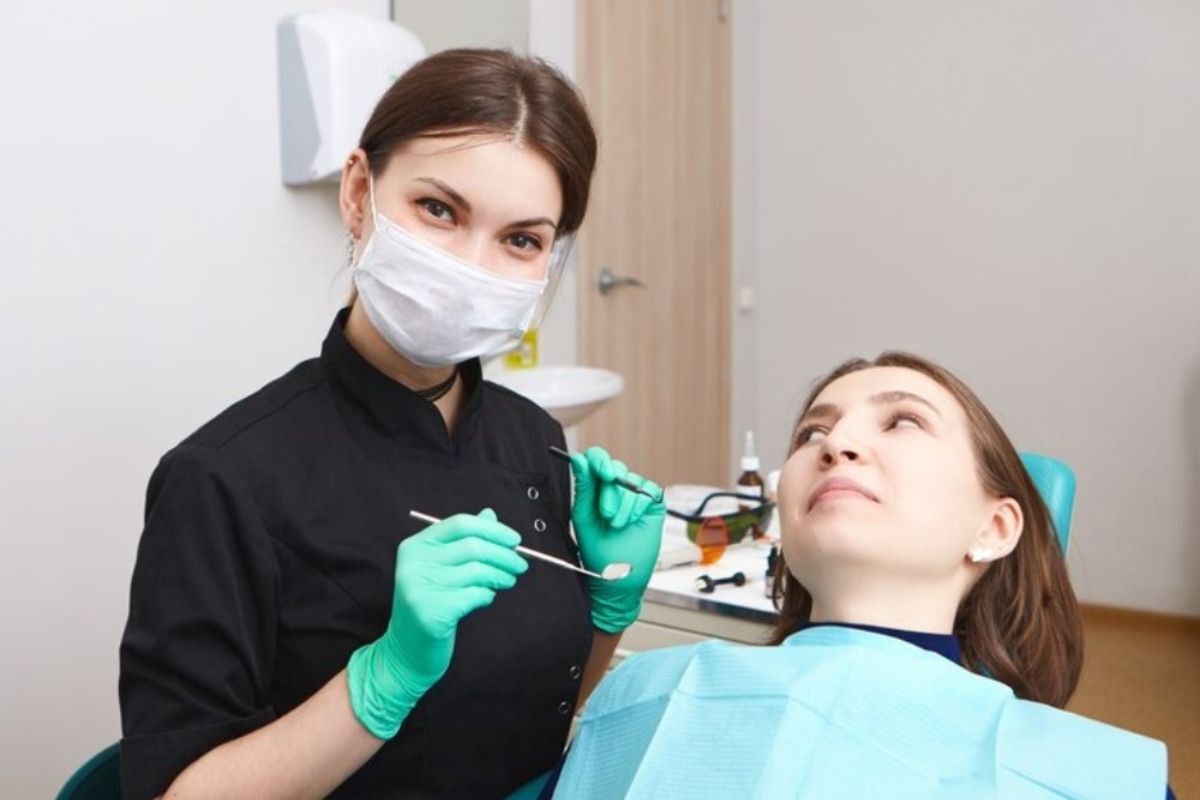

If you have sensitive teeth, you may feel nervous about whitening your smile. Many people worry about pain or damage. The good news is that teeth whitening in Cooksville can be safe, even for sensitive teeth, when done the right way. With better products and careful steps, whitening is now more comfortable than before.
If you are searching for teeth whitening, it helps to understand how the process works and how to manage sensitivity. This blog explains the facts in simple terms. It will help you decide if whitening is right for you and how to protect your teeth.
What Causes Tooth Sensitivity?
Tooth sensitivity happens when the inner layer of the tooth is exposed. This layer connects to nerves. When it is triggered by cold, heat, or chemicals, you feel a sharp pain.
Common causes include:
- Thin or worn enamel
- Gum recession
- Cavities or cracks
- Brushing too hard
- Using strong whitening products too often
Sensitivity does not mean your teeth are unhealthy. But it does mean you need extra care.
How Teeth Whitening Works
Teeth whitening products use gentle bleaching agents. These agents break down stains on the enamel. Some stains come from food and drinks, such as tea, coffee, or soda. Others come from aging or smoking.
During whitening, the bleaching agent can move through the enamel. If your enamel is thin, it may reach the nerves faster. This is why some people feel sensitivity.
Is Teeth Whitening Safe for Sensitive Teeth?
Teeth whitening can be safe if you have sensitive teeth. The key is choosing the correct method and timing. Not all whitening options are the same.
Safer options for sensitive teeth include:
- Low-strength whitening gels.
- Shorter whitening sessions.
- Treatments with added desensitizing agents.
- Custom-fit trays instead of one-size kits.
Many people with sensitivity still whiten their teeth without long-term problems.
Types Of Teeth Whitening And Sensitivity Levels
Different whitening methods affect sensitivity in various ways.
In-office whitening
This method is done under professional care. It works faster and is closely monitored. Dentists can adjust the strength to your comfort level. This is often a good choice for people with sensitivity.
Take-home professional kits
The kits have tailor-made trays. They permit gradual and regulated whitening. People with sensitive teeth often recommended this method for teeth whitening.
Over-the-counter products
Store-bought strips and gels can be effective but may not fit properly. When the fit is not good, your gums may become irritated and more sensitive.
Natural or DIY methods
Some home remedies can harm enamel. These are not advised for sensitive teeth.
Access to Dental Care at Two Convenient Locations
Choosing the right place for teeth whitening also matters, especially if you have sensitive teeth. Our dental team is available at two convenient locations to serve different communities. Patients can visit us in Malvern West, Scarborough, or at our Cooksville, Mississauga, location. Having access to care in these areas makes it easier to get proper guidance, follow-ups, and support during your whitening journey, especially when sensitivity needs extra attention.
How To Reduce Sensitivity During Whitening
If you already have sensitive teeth, you can still prepare for whitening.
Helpful tips include:
- Use toothpaste made for sensitive teeth before and after whitening
- Avoid very hot or cold foods during treatment
- Space out whitening sessions
- Follow instructions carefully
- Do not overuse whitening products
A dentist in Cooksville can also check for hidden issues, such as cavities, before whitening.
Who Should Avoid Teeth Whitening?
Some people should delay whitening until other problems are treated.
You may need to wait if you have:
- Untreated cavities
- Gum disease
- Cracked teeth
- Fragile enamel
A dentist in Malvern West or the surrounding area can advise you on the safest time.
Long-Term Effects On Sensitive Teeth
When done correctly, whitening does not cause permanent damage. Most sensitivity is mild and temporary. It usually fades within a few days.
Choosing safe teeth whitening options for sensitive teeth helps protect enamel. Regular dental checkups also play an essential role.
Does Whitening Weaken Teeth?
This is a common myth. Whitening does not weaken healthy teeth. It only removes stains. The tooth structure remains the same when treatments are used correctly.
Seeing a dentist before whitening ensures your teeth are strong enough for the process.
Conclusion
Sensitive teeth are still an option for whitening, and it is safe. The essential thing is to choose the right method and expert guidance. The team at SR Dental understands that every smile is unique. They target comfort, safety, and effective outcomes. If whitening is on your mind, then a customized plan will maximize your whitening results without adding any stress.
If you have sensitive teeth and are considering whitening, SR Dental is here to help. Our dentists evaluate your sensitivity level and recommend safe, gentle whitening options designed to protect your enamel while brightening your smile. Schedule a consultation today to achieve noticeable results with comfort and confidence.
FAQs
Does teeth whitening cause pain for sensitive teeth?
Most individuals do not feel pain; they think they have some sensitivity. This feeling usually only lasts for a short while.
For how long will teeth remain sensitive?
Usually, sensitivity lasts a couple of hours to several days. Toothpaste sensitivity would help get rid of it faster.
Is having sensitivity an obstacle to teeth whitening?
Certainly, and by all means, try gentle methods and consult with your dentist first.
Is professional whitening safer than store kits?
Due to tailor-made specifications and stringent monitoring, professional options are relatively safer.